

Should You Visit Maui, Hawaii, the Valley Isle, or Oʻahu, Hawaii, the Gathering Place?
Quick Answer
When deciding between Maui vs. Oʻahu, Hawaii, choose Maui if you want beautiful beaches, dramatic volcanic landscapes, scenic drives, premium oceanfront resorts, outdoor adventures, and a Hawaiian vacation centered on natural scenery and relaxation.
Choose Oʻahu if you want beautiful beaches combined with Hawaiian culture, American history, excellent restaurants, shopping, nightlife, and the conveniences of Honolulu, Hawaii’s capital and largest city.
Both islands offer memorable tropical vacations. Both have beautiful coastlines, mountain scenery, Hawaiian cultural experiences, snorkeling, surfing, and premium accommodations.
And both are premium experiences. But they provide different vacation experiences.
For couples seeking a romantic resort getaway, Maui may have the advantage.
For families and first-time Hawaii visitors who want a broad selection of activities, Oʻahu may be more appealing.
The simplest distinction? Choose Maui if natural scenery and resort relaxation are the foundation of your vacation. Choose Oʻahu if variety, history, culture, and convenience matter more.
Maui vs. Oʻahu at a Glance
| Category | Maui | Oʻahu |
| Nickname | The Valley Isle | The Gathering Place |
| Overall Atmosphere | Scenic, tranquil, five-star resort-oriented, and eco-adventurous | Tropical, urban, historic, culturally diverse |
| Best Known For | Haleakalā sunrise tours, private Road to Hāna excursions, white-sand beaches, and five-star oceanfront resorts | Waikīkī beachfront hotels, Pearl Harbor VIP tours, Diamond Head hikes, and North Shore surf resorts |
| Beaches | Scenic resort beaches and varied coastlines | Famous urban beaches and diverse island coastlines |
| Natural Scenery | Volcanic landscapes, rainforests, coastal drives | Mountain ridges, volcanic landmarks, beaches |
| Outdoor Activities | Guided rainforest hiking, catamaran snorkeling charters, convertible coastal drives, and luxury whale-watching cruises | Private Waikīkī surf lessons, Hanauma Bay snorkeling tours, guided ridge hikes, and island-wide sightseeing packages |
| History | Hawaiian cultural sites and historic communities | Pearl Harbor, ʻIolani Palace, Bishop Museum |
| Food & Dining | Award-winning oceanfront resort fine dining, traditional Hawaiian lūʻau shows, and farm-to-table culinary experiences | Wide variety of Michelin-caliber fine dining, Honolulu rooftop cocktail lounges, and authentic Pacific Rim restaurants |
| Nightlife | Limited and resort-centered | More extensive, particularly in Honolulu |
| Shopping | Resort shopping and local towns | Luxury designer shopping at Ala Moana Center and high-end Waikīkī retail boutiques |
| Walkability | Good in selected resort areas | Excellent in Waikīkī |
| Transportation | Airport SUV or convertible rental car strongly recommended for resort and island-wide access | Rental car helpful for North Shore day trips; optional for walkable Waikīkī resort stays with private airport transfers |
| Crowds | Moderate overall; concentrated in resort areas and attractions | High in Waikīkī and popular attractions |
| Cost / Value | Premium / Luxury Pricing: $2,500+ typical holiday itinerary driven by five-star beachfront resorts and airfare | Premium / Luxury Pricing: $2,500+ typical holiday itinerary, with Moderate / Standard Cost ($1,200-$1,500) Waikīkī hotel-and-flight packages available |
| Best Time to Visit | April–May and September–October | April–May and September–October |
| Ideal Trip Length | 5–7 days | 5–7 days |
| Best For | Romantic couples, luxury honeymooners, five-star resort travelers, and private eco-tour seekers | First-time Hawaii travelers, multi-generational families, military history buffs, and fine-dining enthusiasts |
| Biggest Advantage | Exceptional natural scenery combined with resort relaxation | Variety of attractions and visitor conveniences |
| Biggest Drawback | Premium / Luxury Pricing tiers and mandatory daily rental car driving between resort areas | Crowds, traffic, and urban development |
Both Maui and Oʻahu are premier destinations for a five- to seven-day Hawaiian resort vacation and flight-and-hotel getaway.
Maui rewards travelers who want to explore scenic landscapes, enjoy beaches, and relax at a resort. Oʻahu rewards travelers who want a combination of beach activities, historical sightseeing, cultural attractions, dining, and entertainment.
For some visitors, Maui’s quieter atmosphere is the deciding factor. For others, Oʻahu’s variety and convenience make it the stronger choice.
The Biggest Difference Between Maui and Oʻahu
The biggest difference between Maui and Oʻahu is how each island organizes the vacation experience.
Maui: The Natural Environment Shapes the Vacation
On Maui, many of the most memorable experiences revolve around the landscape.
Visitors travel to see:
- Haleakalā National Park and its volcanic summit
- The Road to Hāna and its tropical scenery
- Wailea and Kāʻanapali beaches
- Kāpūolā’s coastal landscapes
- Snorkeling and marine life
- Seasonal humpback whale watching
- Scenic drives and hiking trails
- Premium beachfront resorts
The island’s geography plays a central role in the itinerary. Visitors may spend an entire day exploring the Road to Hāna or visiting Haleakalā.
Other days may be dedicated to beaches, snorkeling, or relaxing at a resort. The experience is generally less urban than Oʻahu.
Restaurants, shopping, and cultural attractions are available, but they are not usually the primary reason travelers choose Maui. For many visitors, Maui’s appeal comes from the combination of natural scenery and a relaxing vacation atmosphere.
Oʻahu: Variety Shapes the Vacation
Oʻahu offers a different combination.
Visitors can experience:
- Waikīkī Beach
- Pearl Harbor
- Diamond Head
- ʻIolani Palace
- Bishop Museum
- Honolulu’s restaurants and shopping
- The North Shore
- Kailua and the Windward Coast
- Surfing and snorkeling
- Nightlife and cultural attractions
Oʻahu’s visitor experience is more varied.
A traveler might spend one day relaxing at Waikīkī Beach, another exploring Pearl Harbor, and another visiting the North Shore. Honolulu adds museums, restaurants, shopping, and entertainment that are less extensive on Maui.
The result is a vacation that combines tropical scenery with the activities of a major city.
What This Means for Your Vacation
Maui is generally better for travelers who want their vacation to revolve around scenery, outdoor recreation, and relaxation. Oʻahu is generally better for travelers who want to experience several different aspects of Hawaii without limiting the trip to beaches and resorts.
However, neither island fits only one category.
Maui has historic communities, cultural attractions, and excellent restaurants. Oʻahu has quiet beaches, scenic mountain landscapes, and premium resorts away from Honolulu.
The distinction is about emphasis.
Maui feels like a Hawaiian island vacation with resort and outdoor experiences at its center. Oʻahu feels like a Hawaiian island vacation with a broader combination of nature, culture, history, and city life.
Maui vs. Oʻahu, Hawaii Similarities
Although Maui and Oʻahu offer different vacation experiences, they have much in common.
Both islands feature beautiful beaches, tropical scenery, Hawaiian culture, and opportunities for outdoor recreation.
They offer:
- Warm weather throughout the year
- Scenic beaches and coastal landscapes
- Snorkeling and marine-life experiences
- Surfing and other ocean activities
- Mountain scenery and hiking
- Hawaiian cultural attractions
- Premium beachfront accommodations
- Excellent seafood and local cuisine
- Seasonal whale-watching opportunities
- Romantic vacation experiences
- Family-friendly activities
- Five- to seven-day vacation itineraries
Both also require travelers to understand that Hawaii’s natural environment presents certain hazards.
Ocean conditions can change quickly. A beach suitable for swimming on one day may be dangerous on another. Hiking trails can involve heat, rainfall, slippery terrain, and exposed sections.
Both islands also have geographic differences that affect weather. Some areas are wetter and greener, while others are drier and sunnier. Visitors should choose accommodations and activities based on the regions they plan to explore.
Three Biggest Reasons to Choose Maui
Maui is an ideal destination for travelers booking five-star oceanfront resorts, private eco-tours, and luxury Hawaiian vacation packages.

1. Maui Offers Exceptional Natural Scenery and Scenic Drives
Maui’s greatest advantage is its natural environment. The island offers dramatic volcanic landscapes, tropical rainforests, rugged coastlines, and beautiful beaches.
Guided Haleakalā National Park sunrise tours and private summit excursions are among Maui’s top-booked luxury experiences. The park’s volcanic summit provides a landscape unlike the island’s coastal resort areas.
Visitors can explore hiking trails, scenic viewpoints, and high-elevation environments. Sunrise and sunset experiences are particularly recognizable, although advance planning and appropriate clothing are necessary.
Booking a private chauffeured van tour or luxury convertible rental on the Road to Hāna offers an unforgettable coastal excursion. The route is known for its winding roads, tropical vegetation, coastal views, waterfalls, and access to eastern Maui.
For travelers renting a Jeep Wrangler or luxury convertible at Kahului Airport, this coastal drive becomes a signature vacation highlight.
Kāʻanapali, Wailea, and Kapalua feature five-star beachfront resorts, ocean-view suites, and full-service luxury hotel amenities. These areas are particularly appealing for travelers who want to combine relaxation with natural beauty.
Choose Maui if you want to spend much of your trip exploring nature rather than moving between urban attractions.
2. Maui Is Particularly Appealing for Premium Resorts and Relaxation
Maui’s second major advantage is its resort-oriented vacation atmosphere.
Wailea, Kāʻanapali, and Kapalua represent Hawaii’s premier luxury resort enclaves, featuring five-star oceanfront properties and private villas. Guests can book oceanfront luxury suites, world-class resort spas, championship golf packages, and Michelin-caliber fine dining.
These exclusive resort environments cater directly to romantic couples, luxury honeymooners, and travelers booking all-inclusive-style spa getaways.
A typical luxury resort itinerary includes oceanfront champagne breakfast, private poolside cabana rentals, afternoon couples’ spa treatments, and fine dining reservations.
For travelers booking a Premium / Luxury Pricing ($2,500+) island getaway, Maui delivers an unmatched five-star resort setting.
3. Maui Combines Beach Relaxation With Outdoor Adventure
Maui’s third major advantage is its ability to combine relaxing beach days with outdoor exploration.
Visitors can book luxury catamaran snorkeling charters, private guided rainforest hikes, scenic coastal drives, and seasonal whale-watching cruises. The island’s beaches provide opportunities for both relaxation and ocean recreation.
Kāʻanapali and Wailea are top choices for travelers booking beachfront resort packages with direct access to Molokini snorkeling tours. Other coastal areas offer different scenery and conditions.
During Hawaii’s winter peak season from December through April, Maui is the premier hub for luxury humpback whale-watching yacht charters.
The waters around Maui Nui provide important seasonal habitat for migrating whales.
Travelers can spot whales from oceanfront resort balconies or book small-group marine biologist boat excursions from Māʻalaea and Lahaina.
Maui also offers hiking and sightseeing opportunities beyond its beaches. It may appeal to travelers who want to alternate between resort relaxation and substantial outdoor excursions.
Maui is a strong choice when you want both adventure and downtime without making museums, shopping, or nightlife major priorities.
Three Biggest Downsides of Visiting Maui
Maui offers extraordinary scenery and memorable resort experiences. However, its Premium / Luxury Pricing structure and driving logistics come with important trade-offs compared to urban or all-inclusive destinations.
1. Maui Is a Premium Destination
Maui is dominated by five-star beachfront resorts, luxury oceanfront condos, and high-end vacation packages.
Five-star beachfront hotels in Wailea, Kāʻanapali, and Kapalua command top-tier nightly rates, particularly during peak holiday travel windows. Direct mainland airfare, fine dining, SUV rentals, valet parking, guided excursions, and daily resort fees rapidly increase total trip budgets.
For travelers booking five-star accommodations and guided activities, a weeklong holiday falls squarely into the Premium / Luxury Pricing tier ($2,500+ typical itinerary).
Maui offers Moderate / Standard Cost ($1,200-$2,500) options through Kīhei vacation condo rentals, casual plate-lunch spots, and self-guided beach days. But transportation and accommodation costs remain important considerations.
For travelers seeking Value / Budget-Friendly ($700-$1,200) or Moderate / Standard Cost ($1,200-$2,500) Waikīkī hotel-and-flight bundles, Oʻahu or all-inclusive Caribbean beach resorts offer greater price flexibility.
2. Maui Requires More Driving and Geographic Planning
Maui’s attractions are spread across different regions. Wailea, Kāʻanapali, Kapalua, Haleakalā, and Hāna are not close to each other.
Mountainous terrain and winding roads can make driving times longer than visitors expect. Booking a mid-size SUV or convertible rental car in advance is essential for travelers who want to explore the island independently.
Navigating the Road to Hāna independently requires advance preparation, or travelers can book all-inclusive luxury coach tours to skip the driving stress.
Some remote routes may not be appropriate for all vehicles or drivers. Visitors should also understand that a full day of sightseeing can involve several hours in a car.
Maui delivers unforgettable coastal drives, but travelers who prefer walkable resort towns, public transit, or direct airport-to-hotel shuttles may prefer Waikīkī or walkable Florida beach resorts.
3. Maui Has Less Urban Entertainment and Fewer Major Historical Attractions
Maui has excellent restaurants, local towns, cultural experiences, and shopping. However, it lacks the high concentration of world-class museums, military historical landmarks, rooftop nightlife, and luxury urban shopping districts found on Oʻahu.
Honolulu offers Michelin-caliber restaurants, designer shopping centers, live entertainment venues, and major cultural institutions within walking distance of Waikīkī resorts. Pearl Harbor, ʻIolani Palace, and Bishop Museum give Oʻahu a particularly strong historical sightseeing advantage.
Maui has important Hawaiian cultural and historical sites, including places associated with the Hawaiian Kingdom and the island’s communities.
Visitors planning multi-day itineraries focused on historical sightseeing, luxury retail shopping, and vibrant nightlife will find better value in Honolulu or major mainland resort cities like Miami.
Maui is particularly appealing for travelers who are comfortable spending much of their vacation at beaches, resorts, or outdoor attractions.
For families and active travelers seeking theme-park-level variety, guided historical tours, and nonstop urban entertainment every day, Oʻahu or Orlando vacation packages deliver far greater itinerary flexibility.
Three Biggest Reasons to Choose Oʻahu
Oʻahu is the premier choice for travelers booking all-in-one Hawaiian vacation packages that combine beachfront hotels, VIP historical tours, cultural landmarks, and luxury urban amenities.
1. Oʻahu Offers More Variety of Attractions
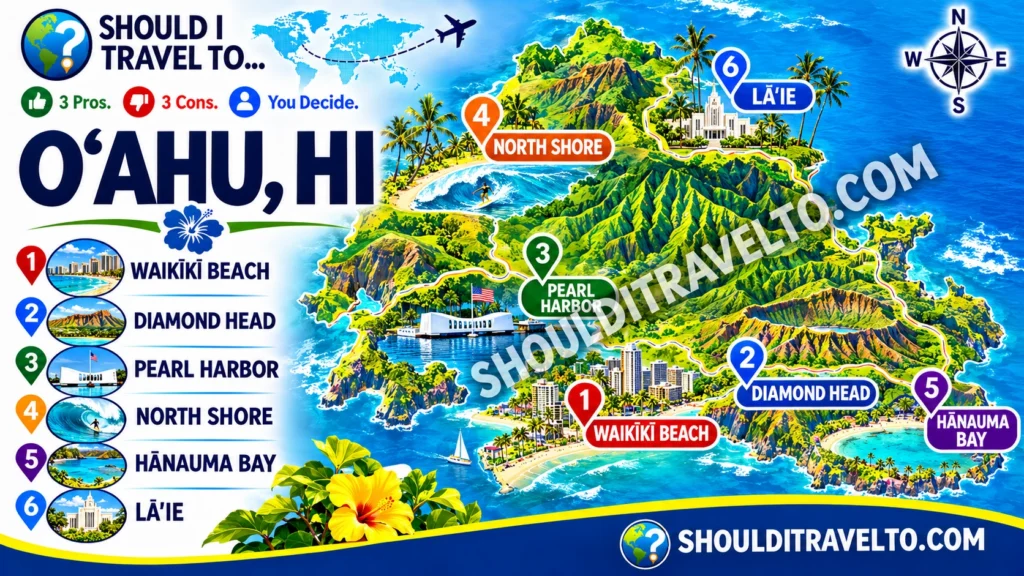
On Oʻahu, travelers can book oceanfront Waikīkī resorts, reserve Diamond Head sunrise passes, take guided Pearl Harbor tours, explore North Shore surf towns, and enjoy Honolulu fine dining and luxury retail.
The island offers several different vacation experiences within one destination.
Waikīkī offers high-rise beachfront resorts, Moderate / Standard Cost ($1,200-$2,500) hotel-and-flight bundles, and vibrant oceanfront amenities. Downtown Honolulu offers historical landmarks and cultural attractions.
The North Shore provides surfing heritage and coastal scenery. The Windward Coast offers green mountains, beaches, and a quieter residential atmosphere. Ko Olina delivers Premium / Luxury Pricing ($2,500+) five-star oceanfront resorts, championship golf courses, and private lagoon villas.
This multi-activity variety makes Oʻahu the top-booked destination for multi-generational families, group travel packages, and first-time Hawaii visitors.
Choose Oʻahu if you want a Hawaiian vacation with more variety beyond beaches and scenic landscapes.
2. Oʻahu Has a Stronger Concentration of Major Historical and Cultural Attractions
Oʻahu’s second major advantage is its historical and cultural significance. Pearl Harbor is one of America’s premier military history destinations, drawing travelers booking skip-the-line guided historical tours and patriotic memorial packages.
The Pearl Harbor National Memorial commemorates the attack of December 7, 1941, and the people who lost their lives. Reserved boat tickets to the USS Arizona Memorial and full-day Pearl Harbor passport packages rank among Oʻahu’s highest-demand excursions.
Multi-site admission passes also cover the Battleship Missouri Memorial, Pearl Harbor Aviation Museum, and Pacific Fleet Submarine Museum.
For travelers who enjoy combining a vacation with educational sightseeing, this is one of Oʻahu’s greatest advantages.
3. Oʻahu Offers Better Dining, Shopping, and Transportation Convenience
Oʻahu’s third major advantage is its urban infrastructure. Honolulu offers a diverse restaurant scene influenced by Hawaiian, Japanese, Chinese, Filipino, Korean, Portuguese, and other culinary traditions.
Diners can book Michelin-caliber fine dining, oceanfront sunset tasting menus, fresh Hawaiian seafood, and authentic local culinary tours.
Waikīkī’s Luxury Row and Ala Moana Center deliver designer flagship boutiques and high-end retail shopping unmatched by Maui’s smaller resort towns.
Nightlife and evening entertainment are also more extensive, particularly in Honolulu.
Transportation provides another advantage. Waikīkī is one of Hawaii’s most walkable major visitor districts.
Top-rated Waikīkī beachfront hotels, fine dining restaurants, luxury boutiques, and surf rentals sit within easy walking distance, eliminating daily parking fees.
Direct airport shuttle transfers, rideshares, and hotel-pickup sightseeing coach tours make exploring Oʻahu seamless without a rental car. Booking a single-day rental car is enough for a North Shore road trip, letting Waikīkī-based travelers avoid daily resort valet charges.
For travelers who want convenient restaurants, shopping, and beach access without renting a car every day, Oʻahu has a clear advantage.
Three Biggest Downsides of Visiting Oʻahu
Oʻahu offers exceptional variety. However, its urban density and traffic congestion create trade-offs that often push travelers toward five-star Maui resorts or secluded luxury beach destinations.
1. Oʻahu Is More Crowded and Urban
Oʻahu’s greatest drawback is its population density and urban development. Honolulu is Hawaii’s largest city.
Waikīkī features dense high-rise resort towers, busy commercial boulevards, luxury shopping malls, and heavy year-round tourist foot traffic. Popular beaches and attractions can become crowded.
Pearl Harbor and Diamond Head draw large crowds. Traffic can affect travel around Honolulu and other parts of the island.
Travelers seeking a tranquil, uncrowded escape will find better value in Maui’s five-star oceanfront resorts, Kauaʻi eco-lodges, or private Caribbean beach villas.
2. Oʻahu’s Traffic and Crowds Can Complicate Sightseeing
Oʻahu’s second major drawback is congestion.
Although Waikīkī is easy to walk around, booking island-wide excursions requires advance timed-entry reservations and strategic route planning. Roads around Honolulu can become congested during commuting hours.
Popular North Shore beaches may have limited parking. Weekend traffic can make some coastal excursions more time-consuming than expected.
Travelers prioritizing uninterrupted poolside relaxation and private spa retreats will prefer Maui’s secluded Wailea resorts or all-inclusive Mexican Riviera beachfront properties.
3. Oʻahu May Not Deliver the Quiet Resort Atmosphere Some Travelers Expect
Oʻahu’s third major drawback is that its most recognizable visitor area doesn’t resemble a secluded tropical retreat. Waikīkī operates as a bustling metropolitan beach district comparable to Miami Beach rather than a secluded island hideaway.
For some travelers, that combination is appealing. For others, it conflicts with their idea of a Hawaiian vacation.
Maui’s resort areas often provide a stronger sense of separation from a major city. Wailea, Kāʻanapali, and Kapalua cater to travelers booking Premium / Luxury Pricing ($2,500+) beachfront suites with direct sand access and serene resort grounds.
Oʻahu offers secluded Premium / Luxury Pricing ($2,500+) resort enclaves at Ko Olina on the west coast and The Kahala near Diamond Head.
For couples and honeymooners whose primary goal is an upscale, peaceful beachfront sanctuary, Maui’s five-star resorts or Turks and Caicos luxury properties deliver a superior fit.
The Should I Travel To … Maui vs. Oʻahu Scorecard
Both islands offer excellent vacations, but they perform differently across our ten destination categories.
| Category | Maui | Oʻahu | Advantage |
| Cost / Value | Premium / Luxury Pricing ($2,500+); dominated by five-star beachfront resorts and mandatory SUV rental costs | Premium / Luxury Pricing ($2,500+); features Moderate / Standard Cost ($1,200-$2,500) Waikīkī hotel-and-flight packages | Oʻahu |
| Weather & Climate | Warm, tropical, varied microclimates | Warm, tropical, varied microclimates | Tie |
| Crowds & Tourist Density | Busy resort areas but less urban overall | Higher concentration of residents and visitors | Maui |
| Walkability & Transportation | Walkable Wailea and Kāʻanapali resort enclaves; airport SUV or convertible rental strongly recommended | Walkable Waikīkī hotel district; direct airport transfers, rideshares, and guided island coach tours available | Oʻahu |
| Things to Do | Excellent outdoor recreation and scenic attractions | Broader combination of catamaran snorkeling tours, Pearl Harbor VIP passes, luxury retail, and Honolulu nightlife | Oʻahu |
| Food & Dining | Award-winning oceanfront resort fine dining, traditional Hawaiian lūʻau packages, and farm-to-table cuisine | Extensive Michelin-caliber fine dining, Honolulu rooftop lounges, and diverse Pacific Rim culinary tours | Oʻahu |
| Tourist Comfort & Safety | Established resorts; driving and outdoor hazards | Extensive visitor services; traffic and outdoor hazards | Tie |
| Culture & Character | Strong Hawaiian identity and distinctive island communities | Strong Hawaiian identity with more major museums and historic landmarks | Tie |
| Cleanliness & Infrastructure | Developed resort areas; more limited transportation options | Extensive urban infrastructure with congestion | Tie |
| Uniqueness | Haleakalā sunrise excursions, private Road to Hāna chauffeured tours, and five-star volcanic coastline resorts | Pearl Harbor, Waikīkī, North Shore, Honolulu | Tie |
Cost / Value
Advantage: Oʻahu
Both islands fall primarily into the Premium / Luxury Pricing ($2,500+ typical holiday itinerary) tier for weeklong mainland vacations. However, Oʻahu offers broader Moderate / Standard Cost ($1,200-$2,500) inventory through Waikīkī boutique hotels, bundled flight-and-hotel deals, and car-free transit options.
Travelers booking walkable Waikīkī beachfront hotels eliminate daily SUV rental fees and $50-per-night resort valet charges. Maui’s five-star resort nightly rates, mandatory car rentals, and resort fees quickly drive up total trip costs.
Oʻahu wins for travelers seeking Moderate / Standard Cost ($1,200-$2,500) flexibility, whereas travelers strict about Value / Budget-Friendly ($700-$1,200) beach trips may prefer all-inclusive Mexico or Florida Gulf Coast packages.
Weather & Climate
Advantage: Tie
Both islands have warm tropical climates year-round. Both also experience regional differences in rainfall, wind, and ocean conditions.
Maui’s resort areas along the southern and western coasts often provide attractive beach weather. Oʻahu’s Leeward Coast is generally drier than its Windward Coast.
Neither island guarantees perfect weather.
For most travelers, booking during shoulder-season travel windows and selecting leeward oceanfront resorts matter far more than choosing between the two islands.
Crowds & Tourist Density
Advantage: Maui
Oʻahu is Hawaii’s most populous island and contains Honolulu, a major urban center. Waikīkī and popular attractions can feel crowded.
Maui also has busy resort areas, popular beaches, and heavily visited attractions. However, it generally offers a less urban atmosphere.
For couples and honeymooners booking secluded five-star beachfront suites or private oceanfront villas, Maui delivers a distinct advantage.
Walkability & Transportation
Advantage: Oʻahu
Oʻahu has a significant advantage for visitors staying in Waikīkī. Many restaurants, beaches, shops, and hotels are within walking distance. Maui’s luxury resort enclaves and scenic landmarks sit miles apart, making an airport SUV or convertible rental essential for independent sightseeing.
Direct airport shuttle transfers, rideshares, and hotel-pickup sightseeing bus tours make car-free island exploration effortless.
Although both islands require transportation planning, Oʻahu offers greater flexibility for car-free visitors.
Things to Do
Advantage: Oʻahu
Maui offers extraordinary natural attractions, including Haleakalā and the Road to Hāna. However, Oʻahu delivers a broader itinerary combining catamaran snorkeling charters, private surf lessons, Pearl Harbor VIP tours, luxury designer shopping, and Honolulu fine dining.
For travelers who want varied activities throughout the vacation, Oʻahu has the advantage.
For travelers prioritizing guided Haleakalā sunrise excursions, private Road to Hāna chauffeured tours, and five-star resort relaxation, Maui remains the stronger choice.
Food & Dining
Advantage: Oʻahu
Both islands offer excellent dining.
Maui excels at romantic oceanfront fine dining, five-star resort tasting menus, and traditional beachfront lūʻau dinner shows. Oʻahu offers a larger, more diverse restaurant scene.
Honolulu’s culinary scene spans Michelin-caliber fine dining, chef-driven Pacific Rim tasting rooms, rooftop cocktail lounges, and guided food tours.
For travelers who want food to be a major part of their vacation, Oʻahu has the advantage.
Tourist Comfort & Safety
Advantage: Tie
Both islands have established tourism infrastructure.
Maui provides gated five-star resort enclaves, full-service spa concierges, and comprehensive travel protection options. Oʻahu offers international hotel chains, reliable airport transfers, immediate medical facilities, and full metropolitan conveniences.
However, both islands have outdoor hazards. Ocean conditions, hiking trails, heat, and weather require preparation.
Maui’s driving distances and winding roads create additional considerations. Oʻahu’s traffic and urban congestion introduce different challenges.
Neither island has a universal advantage.
Culture & Character
Advantage: Tie
Both islands have distinctive Hawaiian identities.
Maui offers important Hawaiian cultural landscapes, historic communities, and traditions. Oʻahu offers world-class cultural institutions and historical landmarks, including guided ʻIolani Palace tours, Bishop Museum passes, and Pearl Harbor memorials.
Oʻahu has an advantage for visitors seeking a concentrated selection of museums and historic attractions.
However, cultural significance cannot be reduced to the number of museums.
Both islands offer meaningful opportunities to learn about Hawaiian history and culture.
Cleanliness & Infrastructure
Advantage: Tie
Maui offers established resort infrastructure, particularly in its major visitor areas. However, transportation options outside those areas are more limited.
Oʻahu offers extensive urban infrastructure, public transportation, and visitor services. But Honolulu also experiences congestion and variation between neighborhoods.
The better experience depends on where you stay and how you plan to travel.
Uniqueness
Advantage: Tie
Maui and Oʻahu are distinctive for different reasons. Maui delivers Haleakalā sunrise tours, private Road to Hāna excursions, lush rainforests, and five-star oceanfront resort stays.
Oʻahu offers Waikīkī, Pearl Harbor, the North Shore, Hawaiian cultural institutions, and Honolulu.
Neither island can replicate the other’s defining attractions. Because both islands offer irreplaceable bucket-list vacation packages, this final category finishes in a tie.
Planning Your Maui vs. Oʻahu Trip
Choosing between Maui and Oʻahu involves more than comparing attractions. Where you stay, how long you visit, and how you plan to get around can significantly affect the experience.
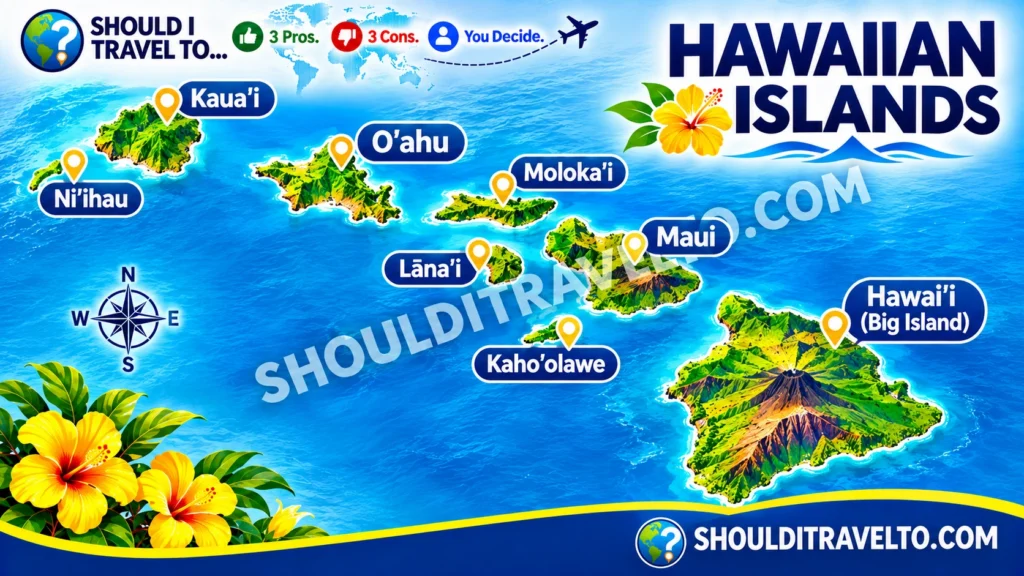
Best Time to Visit Maui vs. Oʻahu
Both islands are appealing year-round. However, different seasons offer different advantages.
Spring: March Through May
Spring is one of the best seasons to visit either island. Temperatures are generally warm, and visitors can combine beaches with outdoor sightseeing. March can be busy because of spring break travel. April and May may offer a more relaxed atmosphere.
For Maui, spring is appealing for beaches, hiking, and scenic drives. For Oʻahu, spring provides opportunities to explore Waikīkī, Pearl Harbor, Diamond Head, and other attractions.
Spring is a tie for most travelers.
Explore More: Best Spring Break Destinations
Summer: June Through August
Summer is popular for family vacations. Both islands offer warm weather and extensive beach activities. Maui is particularly appealing for resort vacations, snorkeling, and outdoor exploration. Oʻahu offers beaches alongside museums, restaurants, shopping, and family-friendly attractions.
Ocean conditions vary by coast. Oʻahu’s South Shore can experience larger summer surf, while the North Shore is often calmer than in winter. Maui also experiences seasonal changes in surf and ocean conditions.
For families seeking a resort-centered summer vacation, Maui may be more appealing. For families who want a wider range of activities, Oʻahu has the advantage.
Explore More: Best Summer Vacation Destinations
Fall: September Through November
September and October are excellent months for visiting either island. Warm temperatures and potentially lower visitor demand create attractive conditions for beaches and sightseeing.
Maui is particularly appealing for couples seeking a quieter resort vacation. Oʻahu appeals to travelers who want beaches, history, restaurants, and cultural attractions without the busiest holiday crowds.
Fall is a strong season for both islands.
Explore More: Best Fall Foliage Destinations
Winter: December Through February
Winter offers different experiences. Maui is particularly well known for seasonal humpback whale watching. Visitors can observe whales from shore or on organized excursions during the migration season. Oʻahu is famous for the powerful winter surf on its North Shore. Experienced surfers and spectators are drawn to the region.
Both islands offer opportunities for whale watching and warm-weather vacations. However, winter ocean conditions can be hazardous, particularly along exposed shorelines.
Holiday periods also bring higher visitor demand and potentially higher accommodation costs.
Choose Maui if seasonal whale watching and resort relaxation are major priorities.
Choose Oʻahu if North Shore surfing, history, and cultural attractions are more appealing.
Explore More: Best Winter Destinations
How Many Days Should You Spend on Maui vs. Oʻahu, Hawaii?
Both islands are best experienced over five to seven days. However, the ideal trip length depends on your priorities.
Three to Four Days
A short stay can work as part of a multi-island vacation. On Maui, focus on one resort area and one or two major excursions. On Oʻahu, focus on Waikīkī, Pearl Harbor, Diamond Head, and perhaps one island excursion.
Neither island can be explored comprehensively in three days.
Five Days
Five days provide enough time for a meaningful introduction. On Maui, visitors can combine resort relaxation with Haleakalā, the Road to Hāna, and selected beaches. However, trying to do every major excursion may make the trip feel rushed.
On Oʻahu, five days allow time for Waikīkī, Pearl Harbor, Diamond Head, and one or two additional regions.
Seven Days
Seven days is the ideal length for most first-time visitors. On Maui, a week provides time for scenic drives, beaches, snorkeling, and relaxation. On Oʻahu, a week provides time for Honolulu, the North Shore, Windward Coast, historical attractions, and beach activities.
Both islands offer enough variety to support a full week.
Eight to Ten Days
A longer vacation allows travelers to explore at a slower pace. On Maui, additional days can be devoted to beaches, outdoor activities, and resort relaxation. On Oʻahu, visitors can explore more neighborhoods, cultural attractions, and coastal regions.
For travelers who have ten days or more, visiting both islands may be worth considering. However, interisland flights, airport transfers, and changing hotels reduce the time available for sightseeing.
For a one-week vacation, choosing one island is generally the more relaxed option.
Where Should You Stay: Maui vs. Oʻahu, Hawaii?
Accommodation location is one of the most important differences between the islands.
Where to Stay on Maui
Wailea is one of Maui’s strongest choices for premium resorts, couples, honeymooners, and travelers seeking a relaxing beachfront vacation. The area offers upscale hotels, spas, golf, and oceanfront dining.
Kāʻanapali appeals to families, beach lovers, and travelers seeking a traditional Hawaiian resort experience. Its beachfront hotels, shopping, restaurants, and ocean activities provide a convenient resort environment.
Kapalua is particularly appealing for travelers seeking premium accommodations, coastal scenery, golf, and a quieter atmosphere. Kīhei offers a broader selection of accommodations and casual restaurants, making it worth considering for travelers seeking more flexibility.
Pāʻia and the North Shore appeal to visitors interested in local character, outdoor recreation, and exploring a different side of Maui. However, accommodation choices are more limited.
Hāna and East Maui suit travelers who want a quieter, more remote environment. The region is less convenient for visitors planning to explore the entire island.
For most first-time Maui visitors, Wailea, Kāʻanapali, or Kīhei provides a practical base.
Where to Stay on Oʻahu
Waikīkī is the strongest overall choice for first-time visitors. It offers extensive hotels, restaurants, shopping, beaches, and transportation options.
Ko Olina is particularly appealing for families and travelers seeking premium resorts. Its lagoons and resort amenities provide a quieter alternative to Waikīkī. However, it is farther from Honolulu’s major attractions. Kahala offers quieter premium accommodations near Honolulu. It may appeal to couples and travelers seeking a less crowded environment.
Kailua provides access to attractive beaches and a residential coastal atmosphere. However, accommodation options are limited, and visitors should verify the legality of short-term rentals.
The North Shore and Haleʻiwa appeal to travelers interested in surfing, coastal scenery, and a slower pace. However, accommodation choices are more limited, and seasonal traffic can be challenging.
Downtown Honolulu and Ala Moana offer alternatives for travelers interested in shopping, dining, and urban sightseeing.
For most first-time Oʻahu visitors, Waikīkī provides the best combination of convenience and attractions.
Which Island Has Better Accommodations?
Maui has the advantage for travelers who want a vacation centered on premium beachfront resorts and relaxation.
Oʻahu has the advantage for travelers who want more accommodation variety, dining options, and transportation convenience.
Getting Around Maui vs. Oʻahu
Transportation is one of the most important practical differences.
Getting Around Maui
A rental car is strongly recommended for most Maui vacations. Major attractions are spread across the island.
Haleakalā, the Road to Hāna, Wailea, Kāʻanapali, and Kapalua require substantial travel between regions. Some resort areas are walkable, but they don’t provide access to the island’s full range of attractions.
Organized tours can reduce the need to drive for selected excursions. However, visitors who want flexibility will generally benefit from a rental car.
Getting Around Oʻahu
Oʻahu offers more transportation options. Waikīkī is highly walkable. TheBus provides public transportation across much of the island.
Organized tours are available for Pearl Harbor, the North Shore, and other attractions. A rental car is helpful for exploring beyond Honolulu, but it may not be necessary every day.
However, traffic congestion and parking costs are important considerations.
Transportation Verdict
Oʻahu has the advantage for visitors who prefer not to rent a car.
Maui is better suited to travelers who are comfortable driving and want scenic road trips to be part of the vacation.
Things To Do: Maui vs. Oʻahu
Both islands offer extensive attractions, but the experiences differ.
Best Things to Do on Maui
Maui’s defining attractions include Haleakalā National Park, the Road to Hāna, Wailea Beach, Kāʻanapali Beach, Kapalua, snorkeling excursions, and seasonal whale watching. Haleakalā provides a distinctive volcanic landscape. The Road to Hāna offers tropical scenery, waterfalls, and coastal views.
Maui’s beaches provide opportunities for relaxation and ocean activities. Visitors can also explore historic towns, local restaurants, and cultural attractions.
Maui is particularly appealing for travelers who enjoy outdoor experiences and scenic landscapes.
Best Things to Do on Oʻahu
Oʻahu’s defining attractions include Waikīkī Beach, Pearl Harbor, Diamond Head, ʻIolani Palace, Bishop Museum, the North Shore, Kailua, and Hanauma Bay.
Waikīkī provides convenient beach access and surfing lessons. Pearl Harbor offers major American historical attractions. Diamond Head provides panoramic views of Honolulu. ʻIolani Palace and Bishop Museum offer opportunities to learn about Hawaiian history and culture.
The North Shore is recognized for surfing and coastal scenery.
Oʻahu also offers extensive restaurants, shopping, and nightlife.
Things to Do Verdict
Choose Maui if your ideal itinerary focuses on scenic drives, volcanic landscapes, beaches, snorkeling, and relaxation.
Choose Oʻahu if you want beaches combined with museums, history, culture, dining, shopping, and entertainment.
Maui vs. Oʻahu, Hawaii: Which Island Should You Choose?
The right choice depends on your travel style.
Best for First-Time Hawaii Visitors: Oʻahu
Oʻahu has a slight advantage for first-time Hawaii visitors who want to experience several aspects of the islands. It combines beaches, Hawaiian culture, history, outdoor recreation, restaurants, and visitor conveniences. Waikīkī also provides a practical base for travelers unfamiliar with Hawaiʻi.
However, first-time visitors who specifically want a quiet resort vacation may prefer Maui.
Best for Couples and Honeymoons: Maui
Maui has the advantage for couples seeking premium resorts, scenic landscapes, romantic dinners, and relaxation. Wailea and Kapalua are particularly appealing. Oʻahu can also provide an excellent romantic vacation, especially in Kahala or Ko Olina.
However, Maui generally offers a stronger resort-centered atmosphere.
Best for Families: Depends on the Family
Maui appeals to families who want beach resorts, pools, snorkeling, and outdoor recreation. Oʻahu appeals to families who want beaches combined with museums, historical attractions, restaurants, and shopping. Families with younger children may prefer Maui’s resort-oriented experience. Families with older children interested in history and varied sightseeing may prefer Oʻahu.
Neither island is universally better.
Best for Beaches: Tie
Both islands offer beautiful beaches.
Maui is particularly appealing for resort beaches and scenic coastal environments. Oʻahu offers famous beaches such as Waikīkī, Kailua, and the North Shore. The best choice depends on whether you prefer a resort-oriented beach experience or a broader selection of coastal environments.
Ocean conditions vary by season and location on both islands.
Best for Outdoor Adventures: Maui
Maui has a slight advantage for travelers who prioritize scenic drives, volcanic landscapes, and outdoor exploration. Haleakalā and the Road to Hāna are particularly distinctive. However, Oʻahu is excellent for surfing, hiking, snorkeling, and coastal sightseeing.
Travelers interested specifically in surfing culture may prefer Oʻahu.
Best for History and Museums: Oʻahu
Oʻahu has major historical attractions. Pearl Harbor, ʻIolani Palace, and Bishop Museum provide opportunities to explore American and Hawaiian history.
Maui also has important cultural and historical sites, but Oʻahu offers a stronger concentration of major museums and landmarks.
Best for Food Lovers: Oʻahu
Oʻahu has the advantage in restaurant variety. Honolulu offers a diverse culinary environment, including Hawaiian, Asian-Pacific, casual, and premium dining. Maui offers excellent restaurants, particularly in its resort areas.
However, Oʻahu provides a broader selection.
Best for Premium Resorts: Maui
Maui has the advantage for travelers whose main priority is a premium beachfront resort vacation. Wailea, Kāʻanapali, and Kapalua provide established resort environments. Oʻahu offers excellent premium accommodations in Waikīkī, Kahala, and Ko Olina.
However, Maui’s overall vacation identity is more closely associated with resort relaxation.
Best for Travelers Without a Rental Car: Oʻahu
Oʻahu is the stronger choice. Waikīkī provides walking access to beaches, restaurants, shopping, and visitor services. Public transportation and organized tours offer additional options.
Maui generally requires more driving for island-wide sightseeing.
Best for Travelers Seeking Fewer Crowds: Maui
Maui generally has the advantage because it is less urban and less densely populated. However, popular beaches, resort areas, and scenic attractions can still become crowded.
Travelers seeking complete seclusion should not assume either island will be consistently empty.
Best for a Premium Hawaiian Vacation: Depends
Maui is particularly appealing for premium resort relaxation, spa experiences, scenic drives, and oceanfront accommodations. Oʻahu offers premium hotels, fine dining, shopping, private excursions, and a broader range of cultural attractions.
Choose Maui if relaxation and scenery define your premium vacation.
Choose Oʻahu if you want premium accommodations combined with extensive sightseeing and urban conveniences.
Can You Visit Maui and Oʻahu on the Same Trip?
Yes, and the two islands complement each other particularly well.
Maui offers scenic drives, volcanic landscapes, beaches, and resort relaxation. Oʻahu offers history, culture, dining, shopping, and a broader range of attractions.
Combining them can create a vacation with considerable variety. However, interisland travel requires planning. Visitors must account for flights, airport transfers, baggage, transportation, and changing accommodations.
For a seven-day vacation, dividing the trip between Maui and Oʻahu may reduce the time available to enjoy either island, and for travelers with ten to fourteen days, a two-island itinerary becomes more practical.
For a first Hawaii vacation lasting one week, choose one island, and for a longer vacation, combining Maui and Oʻahu can provide an excellent balance.
Maui vs. Oʻahu for Holidays, Seasonal Travel, and Premium Experiences at a Glance
| Occasion | Maui | Oʻahu | Overall Advantage |
| Premium Travel | Oceanfront luxury resorts, spas, private retreats | Luxury hotels, fine dining, shopping | Depends on travel style |
| Valentine’s Day | Romantic resorts, privacy, sunsets | Romantic dining, cruises, entertainment | Maui |
| Spring Break | Relaxation, beaches, outdoor adventures | Family attractions, surfing, entertainment | Oʻahu |
| Summer Vacation | Extended resort stays, nature, scenic drives | Multigenerational travel, activity variety | Depends on travel style |
| Thanksgiving | Relaxed family resort gatherings | Holiday dining, shopping, entertainment | Depends on travel style |
| Christmas | Tropical resort Christmas | Honolulu City Lights and holiday festivities | Oʻahu for festivities |
| Christmas + New Year’s Eve | Extended luxury resort retreat | Festivities, entertainment, sightseeing | Oʻahu for variety |
| New Year’s Eve | Intimate resort celebrations | Nightlife, resort galas, organized celebrations | Oʻahu |
Ultimately, the occasion can help determine which Hawaiian island offers the better vacation experience.
Maui and Oʻahu offer year-round tropical vacations, but different holidays, seasons, and special occasions can make one island a better choice.
For some travelers, the occasion is just as important as the destination itself.
Maui vs. Oʻahu for Premium Travel
Maui is best for: Five-star oceanfront resorts, private villa retreats, couples’ spa experiences, championship golf, private scenic excursions, and resort-centered luxury vacations.
Oʻahu is best for: Five-star beachfront hotels, luxury shopping, fine dining, private island tours, cultural experiences, and premium resort accommodations with urban convenience.
Maui offers a more traditional luxury island escape. Resort areas such as Wailea and Kapalua appeal to travelers seeking spacious accommodations, oceanfront dining, upscale spas, golf, and a quieter tropical atmosphere.
Visitors can pair premium resort stays with private Road to Hāna excursions, sunset sailing, guided snorkeling, and Haleakalā sightseeing.
Choose Maui if: You want a secluded, resort-centered luxury vacation with spectacular natural scenery.
Choose Oʻahu if: You want premium accommodations alongside fine dining, luxury shopping, cultural attractions, and urban convenience.
Advantage: Maui for resort luxury and relaxation; Oʻahu for premium experiences and variety.
Explore More: Best Premium Destinations
Maui vs. Oʻahu for Valentine’s Day
Maui is best for: Romantic oceanfront resorts, couples’ spa retreats, sunset sailing, secluded accommodations, and scenic island adventures.
Oʻahu is best for: Romantic beachfront hotels, sunset dinner cruises, fine dining, rooftop cocktails, and couples who enjoy sightseeing and entertainment.
Maui is particularly appealing for couples seeking a romantic tropical getaway. The island’s dramatic coastlines, oceanfront dining, resort spas, and relaxed atmosphere create an ideal setting for Valentine’s Day, honeymoons, and anniversary vacations.
Choose Maui if: You want a romantic vacation centered on relaxation, natural scenery, privacy, and premium resort experiences.
Choose Oʻahu if: You want romance combined with dining, cultural attractions, nightlife, and island exploration.
Advantage: Maui.
Explore More: Best Valentine’s Day Destinations
Maui vs. Oʻahu for Spring Break
Maui is best for: Families seeking resort vacations, couples, snorkeling excursions, scenic drives, outdoor adventures, and relaxed beach getaways.
Oʻahu is best for: Families with children and teenagers, first-time Hawaiʻi visitors, college students, groups of friends, surfing lessons, and activity-filled vacations.
Maui offers a more relaxed Spring Break experience centered on beaches, scenic landscapes, resort pools, and outdoor recreation.
Choose Maui if: You want a quieter Spring Break with resort relaxation, natural scenery, and outdoor adventures.
Choose Oʻahu if: You want beaches combined with family attractions, cultural experiences, entertainment, and greater activity variety.
Advantage: Oʻahu for overall Spring Break variety; Maui for couples and resort-focused families.
Maui vs. Oʻahu for Summer Vacation
Maui is best for: Extended family resort stays, oceanfront vacation rentals, snorkeling, scenic road trips, and nature-focused summer vacations.
Oʻahu is best for: Multigenerational family vacations, first-time Hawaiʻi visitors, beginner surfing lessons, historical attractions, shopping, and island-wide sightseeing.
Summer offers excellent opportunities to experience both islands.
Choose Maui if: You want an extended summer vacation focused on beaches, outdoor recreation, natural scenery, and resort relaxation.
Choose Oʻahu if: You want a summer vacation with beaches, history, culture, entertainment, and activities for different age groups.
Advantage: Oʻahu for a wide variety of family activities; Maui for relaxed, nature-focused summer vacations.
Maui vs. Oʻahu for Thanksgiving
Maui is best for: Relaxing family resort vacations, oceanfront holiday dining, scenic drives, and tropical countryside experiences.
Oʻahu is best for: Family holiday gatherings, beachfront hotels, Thanksgiving dining, shopping, cultural attractions, and organized seasonal entertainment.
Both Maui and Oʻahu offer travelers an alternative to a traditional cold-weather Thanksgiving vacation.
Choose Maui if: You want a quiet Thanksgiving retreat centered on family time, resort relaxation, and tropical scenery.
Choose Oʻahu if: You want a more active Thanksgiving vacation with dining, shopping, entertainment, and sightseeing.
Advantage: Maui for relaxation; Oʻahu for holiday activities and convenience.
Explore More: Best Thanksgiving Destinations
Maui vs. Oʻahu for Christmas
Maui is best for: Premium tropical Christmas resort vacations, oceanfront holiday dinners, family villas, whale watching, and peaceful winter escapes.
Oʻahu is best for: Tropical Christmas celebrations, Honolulu City Lights, holiday shopping, beachfront hotels, seasonal entertainment, and family sightseeing.
Maui offers a Christmas vacation centered on tropical scenery, resort hospitality, and relaxation. Visitors can exchange snowy landscapes for palm-lined beaches, oceanfront accommodations, scenic excursions, and festive resort dining. December also marks the early part of Hawaiʻi’s primary humpback whale-watching season, providing another reason to enjoy Maui’s coastal waters.
Oʻahu combines a tropical Christmas vacation with a more recognizable holiday celebration atmosphere.
Honolulu City Lights, holiday decorations, shopping centers, seasonal entertainment, and festive dining provide alternatives to spending the entire vacation at a resort.
Choose Maui if: You want a relaxing tropical Christmas with premium resorts, oceanfront scenery, and quality family time.
Choose Oʻahu if: You want a tropical Christmas combined with festive decorations, organized holiday activities, shopping, and entertainment.
Advantage: Oʻahu for Christmas festivities; Maui for tropical resort relaxation.
Explore More: Best Christmas Destinations
Maui vs. Oʻahu for Christmas + New Year’s Eve
Maui is best for: Extended luxury resort vacations, private villa stays, holiday dining, scenic excursions, and intimate New Year’s celebrations.
Oʻahu is best for: Extended tropical holiday vacations, Christmas festivities, New Year’s Eve entertainment, shopping, dining, and island sightseeing.
Travelers who combine Christmas and New Year’s Eve into one extended vacation can enjoy a more complete Hawaiian experience.
Choose Maui if: You want an extended premium holiday retreat focused on relaxation, romance, and natural scenery.
Choose Oʻahu if: You want to combine tropical weather with Christmas festivities, New Year’s Eve entertainment, and a wide selection of attractions.
Advantage: Oʻahu for extended holiday variety; Maui for a relaxing luxury holiday retreat.
Explore More: Best Christmas + New Year’s Eve Destinations
Maui vs. Oʻahu for New Year’s Eve
Maui is best for: Romantic resort celebrations, intimate oceanfront dinners, sunset sailing, luxury accommodations, and peaceful New Year’s getaways.
Oʻahu is best for: Waikīkī celebrations, rooftop lounges, resort galas, dinner cruises, nightlife, and fireworks experiences when scheduled.
Maui offers a quieter, more intimate way to celebrate New Year’s Eve. Oʻahu provides a more energetic New Year’s Eve experience.
Choose Maui if: You want to welcome the new year with romance, relaxation, and an intimate oceanfront celebration.
Choose Oʻahu if: You want a more energetic tropical celebration with restaurants, entertainment, nightlife, and organized festivities.
Advantage: Oʻahu.
Explore More: Best New Year’s Eve Destinations
The Decision
Maui and Oʻahu are two of Hawaii’s strongest vacation destinations.
Both offer beautiful beaches, tropical weather, Hawaiian culture, outdoor recreation, and premium accommodations. But they appeal to different travel priorities.
Maui is particularly compelling for travelers who want a scenic, resort-oriented vacation. Oʻahu is particularly compelling for travelers who want a more varied vacation.
For couples seeking a relaxing resort vacation, Maui may be the better choice.
For first-time visitors who want beaches, history, restaurants, and a broad range of activities, Oʻahu may have the advantage, and for families, the decision depends on whether resort relaxation or varied sightseeing matters more. And for travelers who want to avoid renting a car, Oʻahu is generally the more convenient choice.
Choose Maui if you want Hawaii’s natural scenery and resort relaxation to shape your vacation.
Choose Oʻahu if you want a Hawaiian vacation combining beaches, history, culture, dining, and urban convenience.
3 Pros. 3 Cons. You Decide.
Maui vs. Oʻahu, Hawaii Frequently Asked Questions
Is Maui or Oʻahu better for a first trip to Hawaii?
Oʻahu has a slight advantage for first-time visitors who want beaches, Hawaiian culture, history, restaurants, and a broad selection of activities. Maui may be better for first-time visitors who prioritize scenic landscapes, premium resorts, and relaxation.
Is Maui more expensive than Oʻahu?
Both islands are premium-priced destinations. However, Maui’s resort accommodations and rental-car requirements can make it more expensive for some travelers. Oʻahu generally offers a wider selection of hotels, restaurants, and transportation options, particularly in Waikīkī.
Which island has better beaches, Maui or Oʻahu?
Both islands have excellent beaches, but Maui is particularly appealing for scenic resort beaches, while Oʻahu offers a broader variety of famous beaches, including Waikīkī, Kailua, and the North Shore. The better choice depends on your preferred atmosphere and ocean activities.
Is Maui or Oʻahu better for families?
Both are strong family destinations. Maui is appealing for resort relaxation, beaches, and outdoor activities. Oʻahu offers beaches alongside museums, historical attractions, restaurants, and shopping. The best choice depends on children’s ages and family interests.
Do you need a rental car on Maui or Oʻahu?
A rental car is strongly recommended for most Maui vacations involving island-wide sightseeing. On Oʻahu, visitors staying primarily in Waikīkī may not need a car, although one is helpful for exploring the North Shore, Windward Coast, and other areas.
How many days should you spend on Maui or Oʻahu?
Five to seven days is ideal for either island. Travelers who want to visit both islands should consider a longer vacation, preferably ten days or more, to account for interisland transportation.
Is Maui or Oʻahu better for a honeymoon?
Maui generally has the advantage for couples seeking premium beachfront resorts, scenic landscapes, and relaxation. Oʻahu may be more appealing for couples who want a combination of romantic accommodations, restaurants, nightlife, history, and sightseeing.